What Is Midwest Fulfillment?
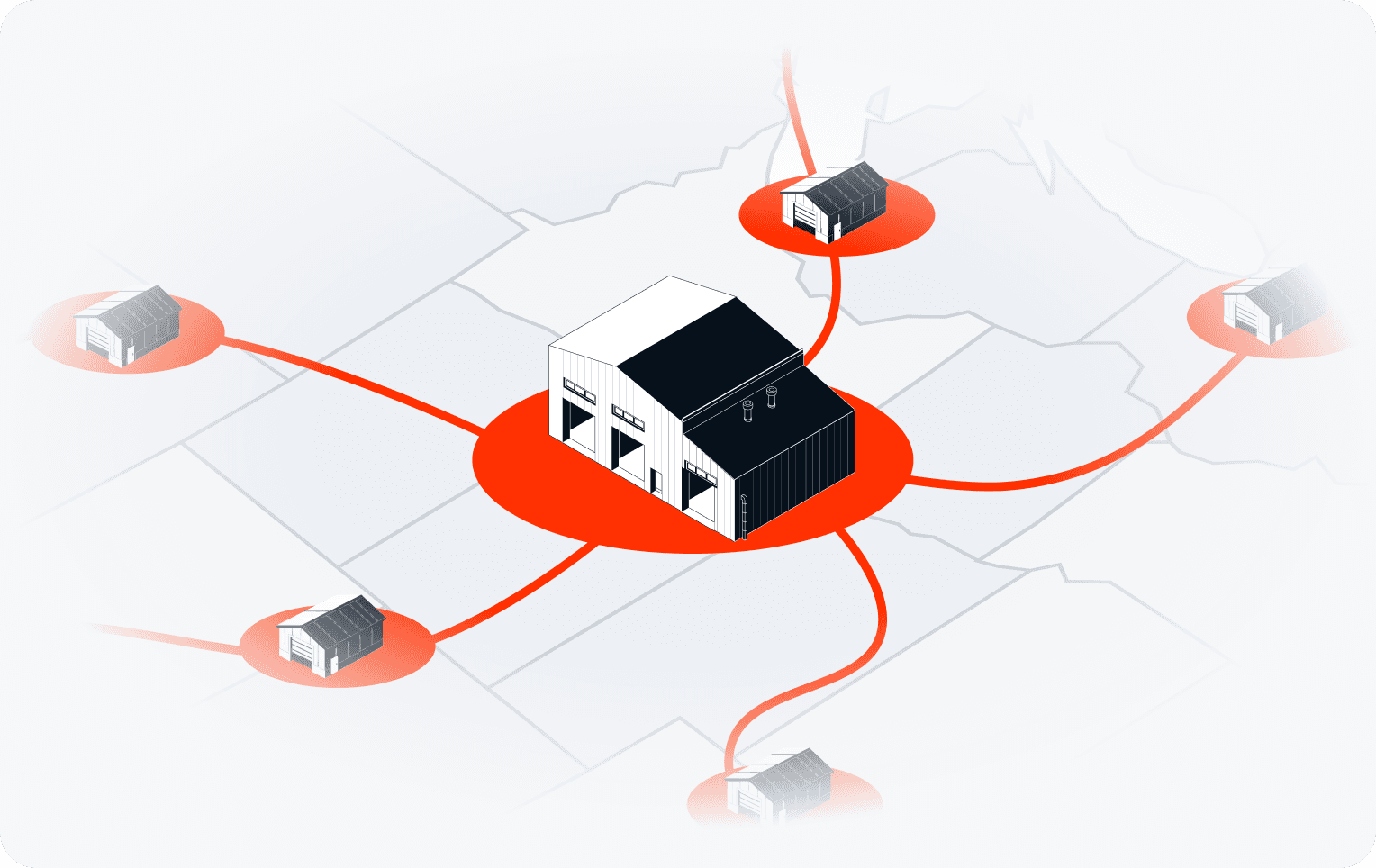
Midwest fulfillment refers to storing and distributing inventory from centrally located distribution hubs in the Midwestern United States. Because the Midwest sits near the geographic center of the country, companies can often reach both coasts and major population centers faster compared to single coastal distribution points.
For businesses shipping nationwide, centralized fulfillment can reduce transit times, improve inventory positioning, and streamline transportation planning.
Many logistics providers operate distribution hubs in cities like St. Louis, Chicago, Indianapolis, and Kansas City because these locations provide strong access to interstate highways and national freight corridors.
Why the Midwest Is a Strategic Fulfillment Location
The Midwest plays a key role in U.S. logistics due to its transportation infrastructure and geographic advantages.
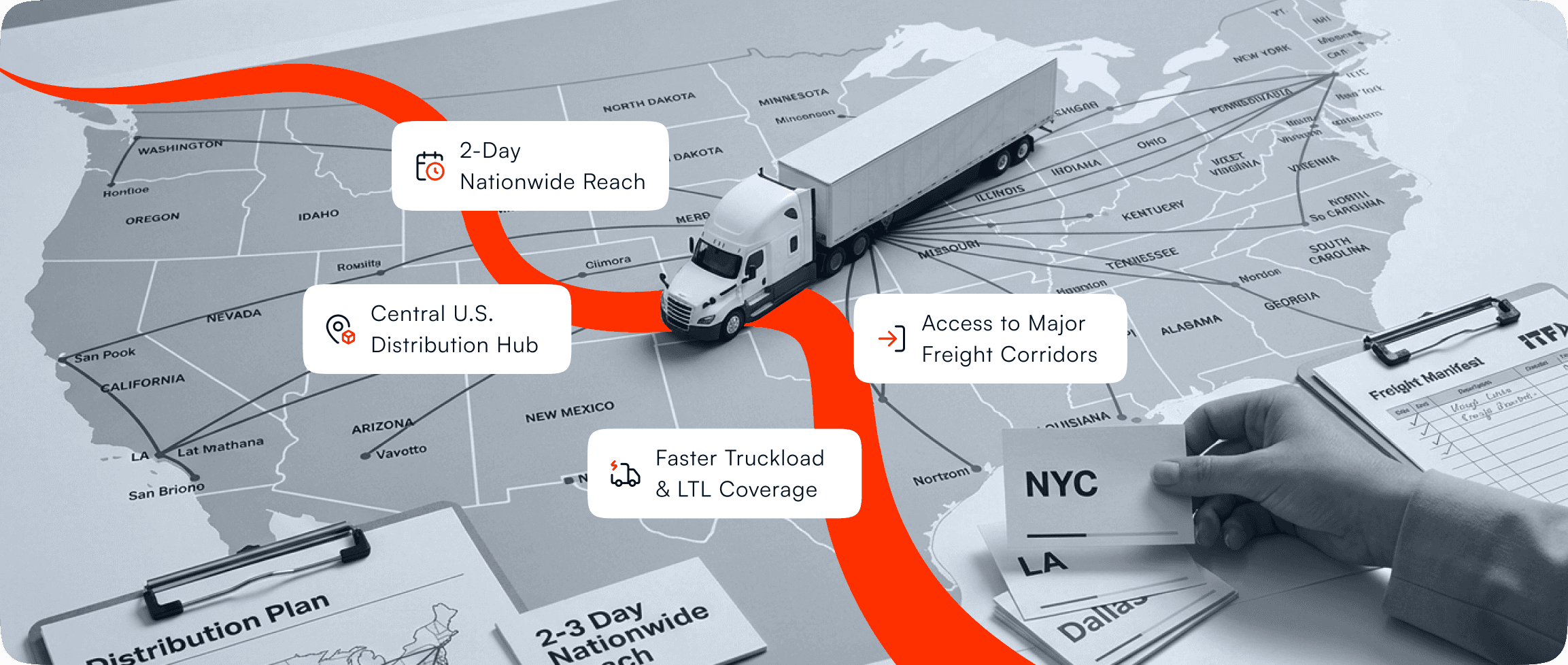
Central U.S. locations allow companies to reach most of the country within two to three days by truck. This makes Midwest distribution networks ideal for retailers, manufacturers, and eCommerce companies seeking faster national delivery. Logistics hubs such as St. Louis combine trucking networks, warehousing capacity, and integrated supply chain services to support national shipping strategies.
How Centralized Distribution Reduces Transit Times

Shorter Average Shipping Distances
When inventory is stored in a central location, shipments travel shorter average distances to customers across the country.
For example:
Midwest to East Coast shipments often take two days
Midwest to West Coast shipments typically take three days
Midwest to southern states often takes one to two days
Compared to single warehouse locations on either coast, centralized fulfillment reduces long cross country transit routes.

Access to Major Freight Corridors
Midwestern distribution centers benefit from strong highway connectivity.
Major freight corridors including I-70, I-55, and I-64 connect Midwest hubs to both coasts and key industrial regions.
This connectivity allows trucking providers to optimize routing and maintain reliable delivery schedules across large geographic areas.
Faster Truckload and LTL Coverage
Centralized logistics hubs also provide strong coverage for both truckload and less than truckload shipments.
Truckload shipments can move directly to destination markets without freight consolidation. This direct routing often results in faster transit times for time sensitive freight.
LTL networks also rely heavily on Midwest cross docking hubs to route shipments efficiently between regions.
The Role of Warehousing in Midwest Fulfillment
Centralized fulfillment depends on warehouse capacity and inventory management technology.
Modern distribution centers support operations such as:
Inventory storage and management
Pick and pack fulfillment
Real time shipment tracking
Cross docking
Regional distribution
For example, ITF Group operates more than 500,000 square feet of warehouse space in the St. Louis region to support distribution and freight shipping operations.
These facilities allow businesses to position inventory closer to national transportation networks.
Technology and Visibility in Centralized Distribution
Technology plays an important role in optimizing fulfillment operations.
Modern logistics platforms integrate transportation management systems, warehouse management systems, and shipment tracking tools to improve coordination across the supply chain.
These systems provide:
Real time shipment tracking
Predictive delivery estimates
Automated inventory updates
Transportation analytics
Integrated visibility helps companies manage inventory and transportation from a single platform.
When Centralized Fulfillment Makes the Most Sense
Centralized Midwest fulfillment is often beneficial for companies that:
Ship nationwide
Operate eCommerce distribution networks
Need consistent two to three day delivery coverage
Manage large volumes of truckload freight
Want to simplify inventory management
While some companies use multiple regional distribution centers, a Midwest hub can serve as the core of a national shipping strategy.
FAQ
01
What is Midwest fulfillment?
Midwest fulfillment refers to storing and distributing products from centralized warehouses located in the Midwestern United States to reach national markets efficiently.
02
Why is the Midwest important for logistics?
The Midwest provides geographic access to major U.S. markets and strong transportation infrastructure, making it a strategic location for national shipping.
03
How does centralized distribution reduce shipping times?
Centralized warehouses reduce average shipping distances and allow companies to reach multiple regions within two to three days.
04
What industries benefit from Midwest fulfillment?
Retail, manufacturing, consumer goods, and eCommerce companies frequently use Midwest distribution hubs to support nationwide delivery.