What is the Chain of Custody in Freight Shipping?
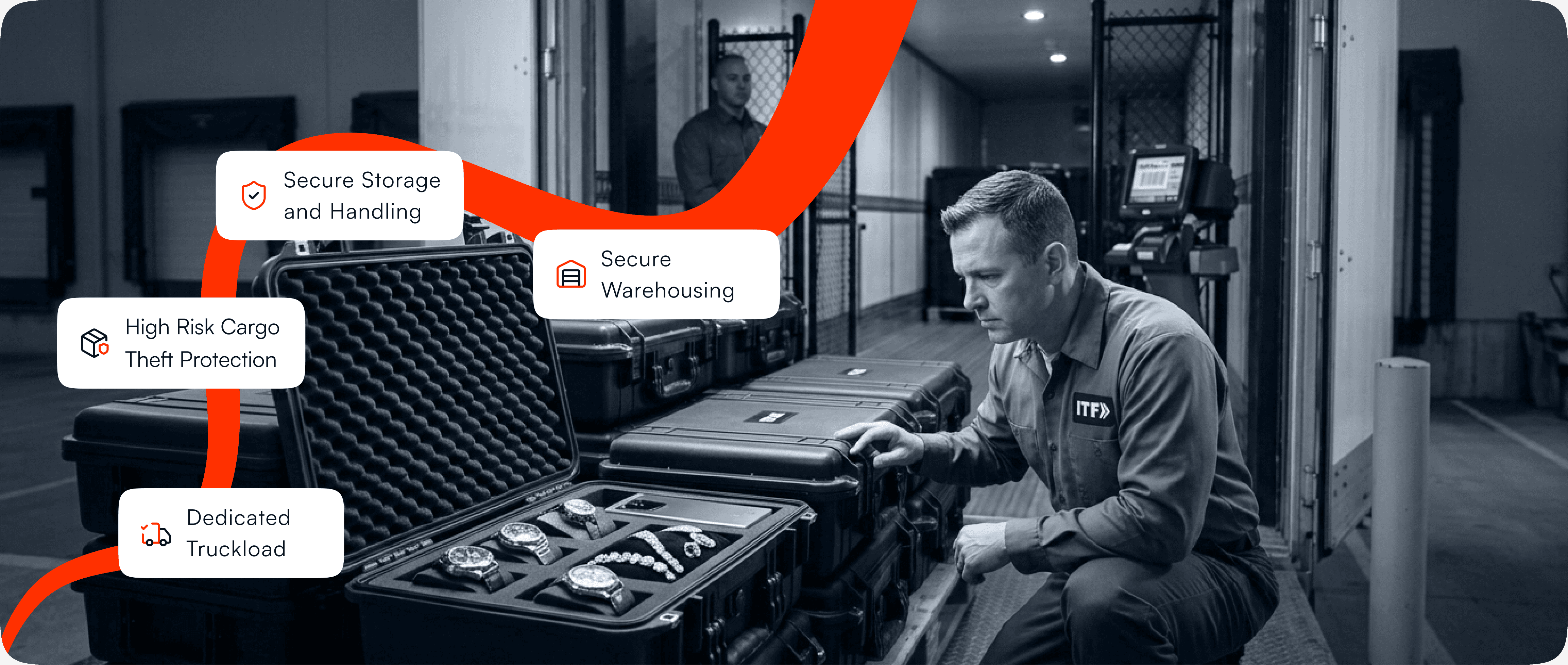
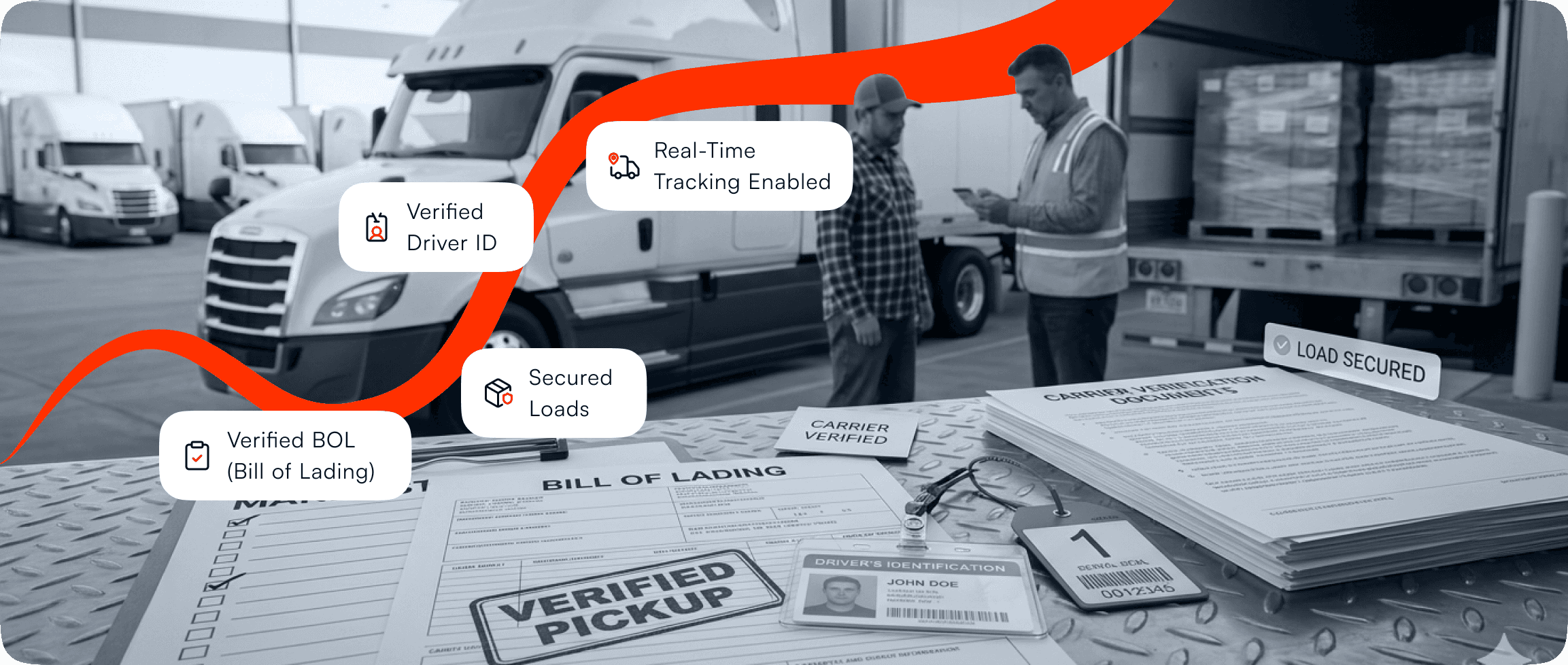
Chain of custody in retail freight shipping refers to the documented process of tracking who has possession of cargo from origin to final delivery. For high value freight such as electronics, luxury retail goods, pharmaceuticals, or confidential materials, maintaining a clear chain of custody is essential for preventing theft, fraud, or loss.
In logistics, chain of custody is maintained through a combination of carrier verification, documentation, real time tracking, and secure handoffs between parties. Each step ensures the shipment remains accounted for and traceable throughout transit.
Modern logistics providers rely on technologies like GPS tracking, digital documentation, and integrated logistics platforms to provide visibility and accountability across the supply chain.
Why Chain of Custody Matters for High Value Freight
High value shipments are a primary target for cargo theft and freight fraud. In recent years, cargo theft incidents have increased significantly across the logistics industry.
A strong chain of custody framework helps organizations:
Reduce cargo theft risk
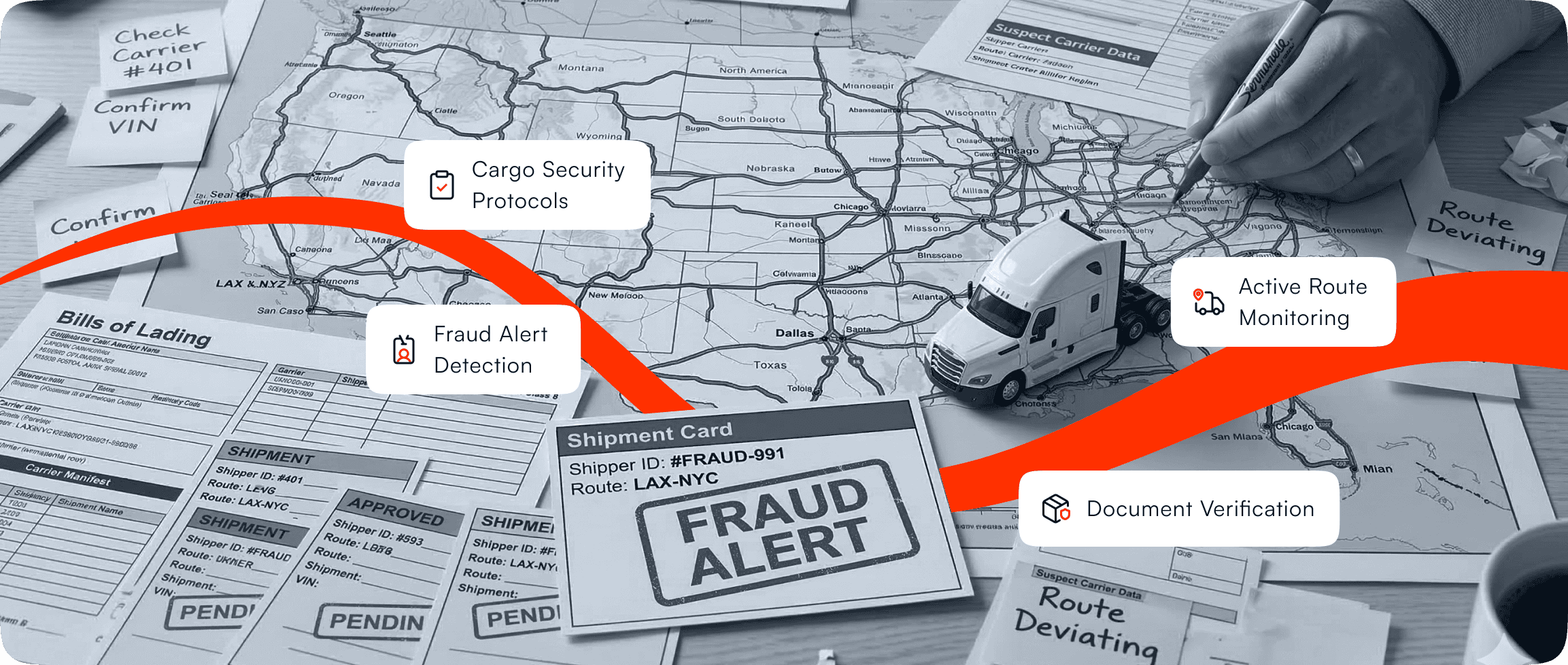
Prevent fraudulent carrier pickups
Maintain insurance compliance
Provide documentation for claims or disputes
Improve transparency between shippers, brokers, and carriers
Without clear custody records, it becomes difficult to determine where and when a shipment was compromised.
Key Components of a Secure Freight Chain of Custody
Verified Carrier Onboarding
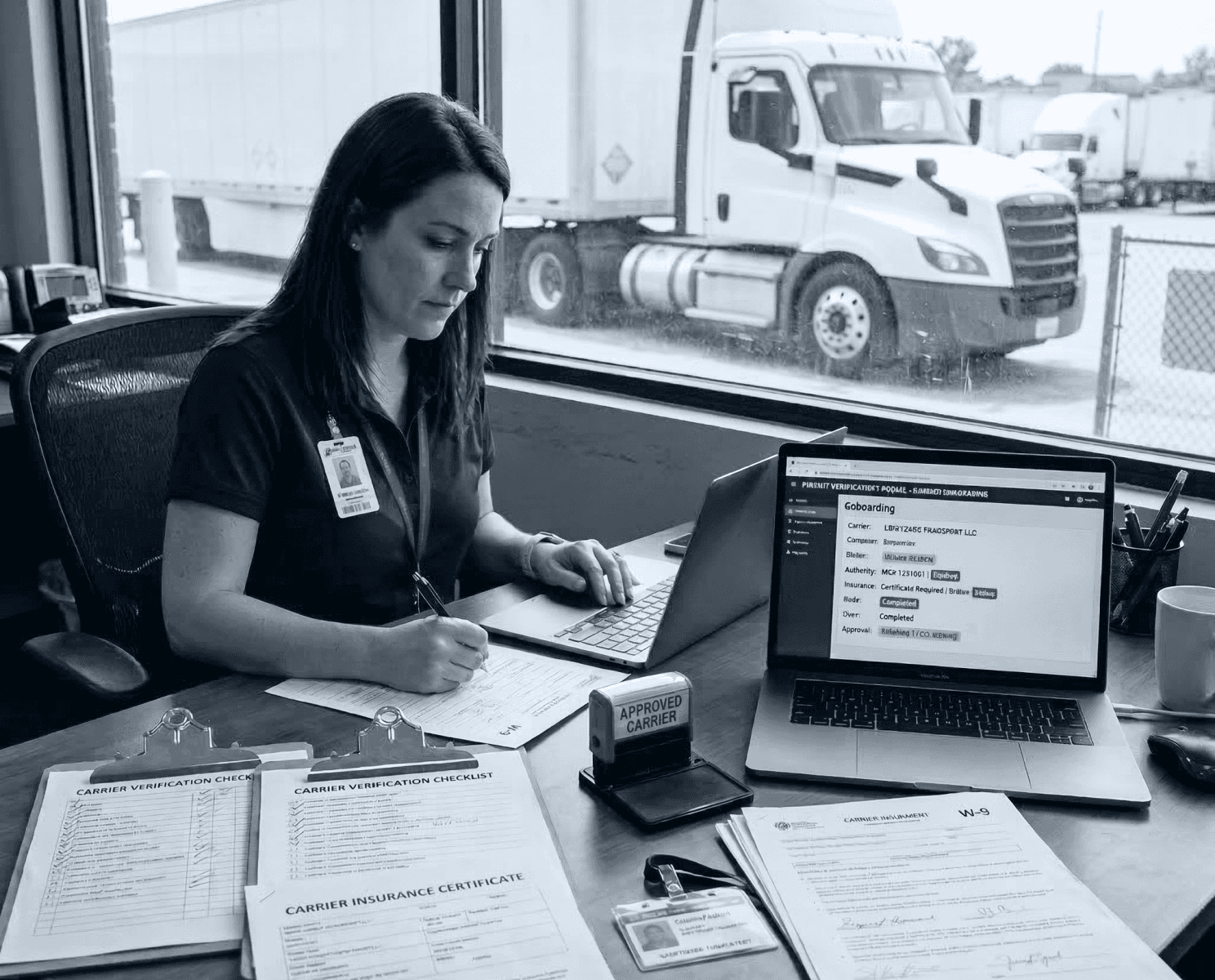
One of the most effective protections is verifying carriers before they ever handle freight.
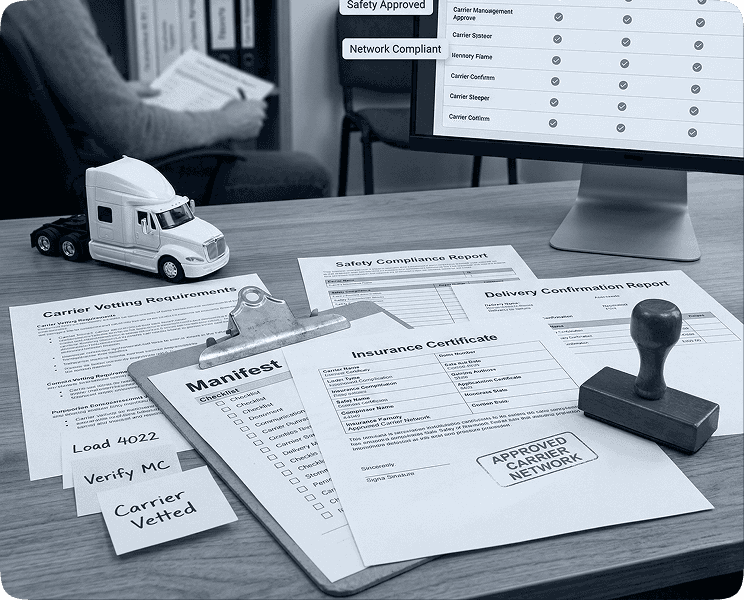
Carrier verification typically includes:
Confirming operating authority and safety records
Verifying insurance coverage
Confirming physical business locations and contact information
Reviewing years in operation and carrier reputation
Strict onboarding procedures ensure shipments are handled only by trusted transportation partners.
Digital Documentation and Shipment Records
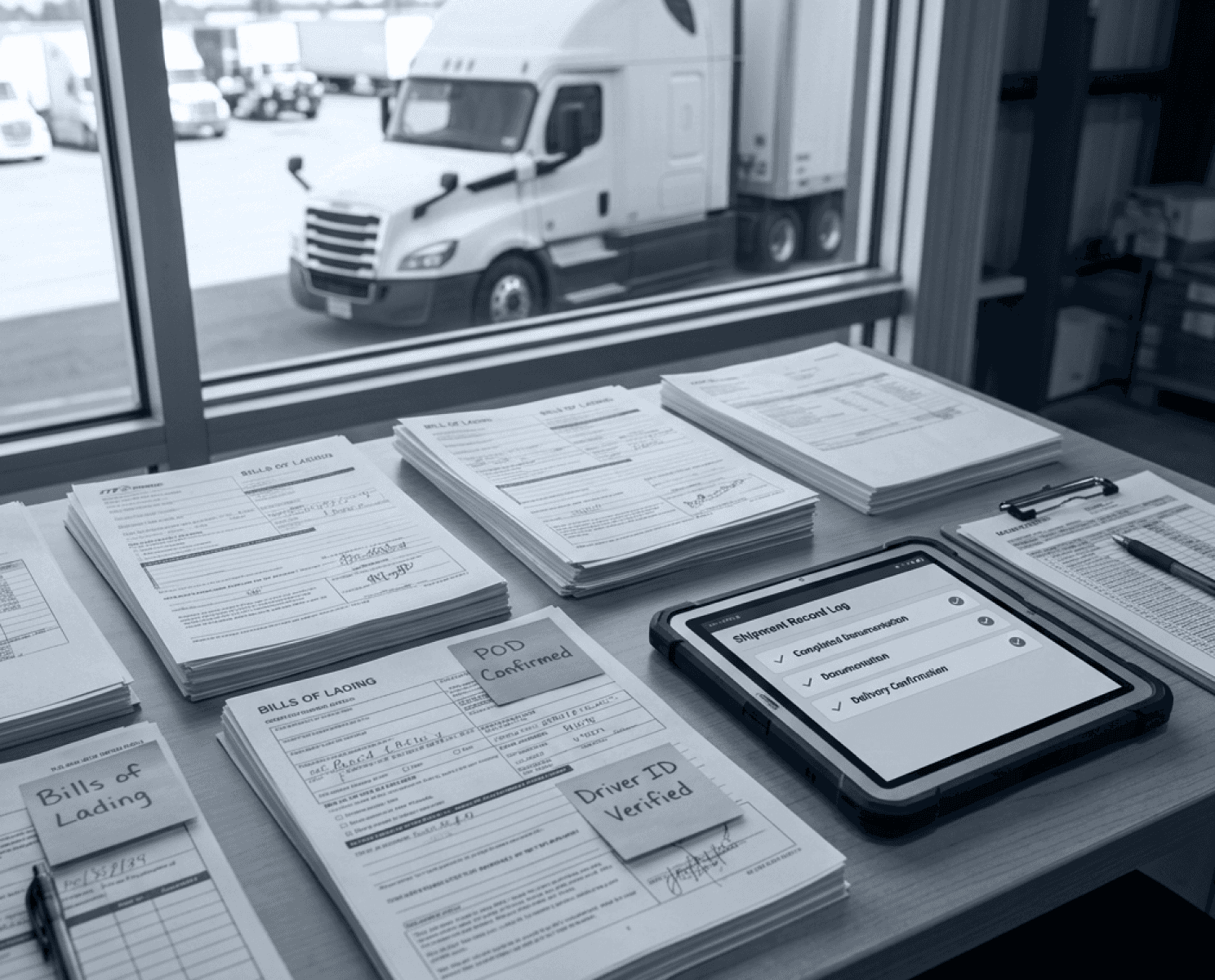
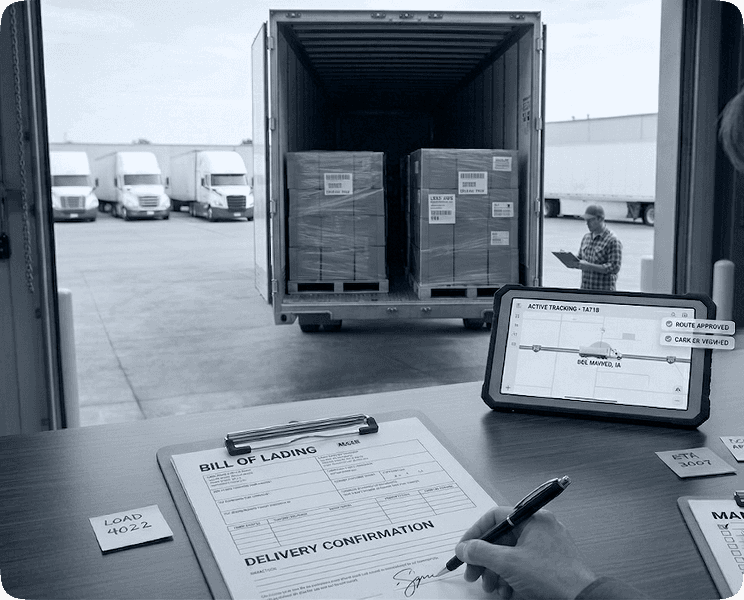
Every custody transfer should include documentation such as:
Bill of lading
Pickup and delivery confirmations
Driver identification verification
Electronic proof of delivery
Digital records improve transparency and reduce paperwork errors.
Real Time Freight Tracking
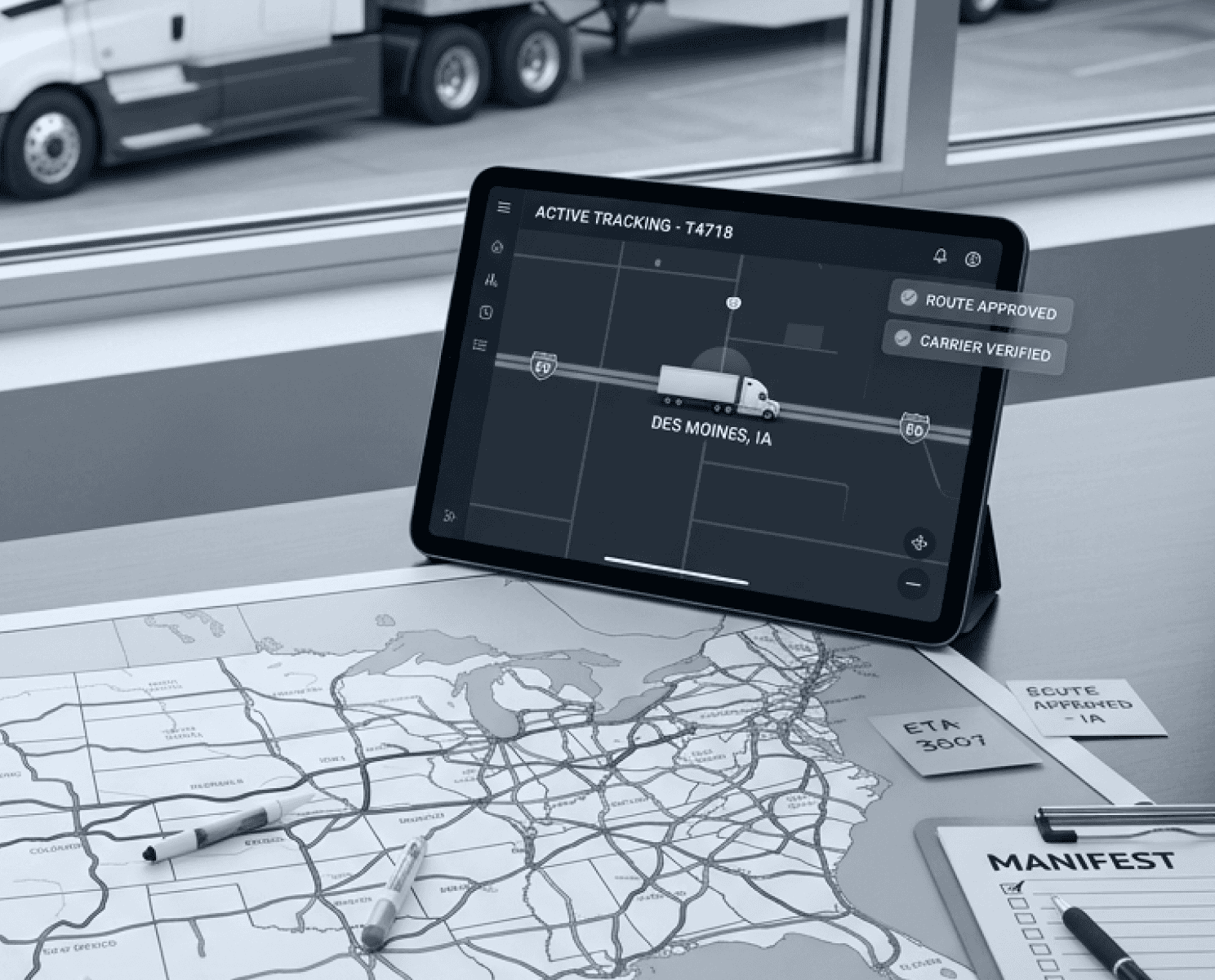
Shipment tracking technology is one of the most important tools for maintaining custody visibility.
Modern freight tracking systems provide:
GPS tracking for trucks and trailers
Real time shipment location updates
Automated alerts for route deviations
Predictive estimated arrival times
These tools help logistics teams detect problems early and respond before freight is compromised.
Secure Handoffs Between Partners
Each transition point introduces potential risk.
Best practices for secure handoffs include:
Confirming driver identity at pickup
Using geofenced pickup and delivery locations
Requiring documented signature verification
Maintaining time stamped custody logs
This scalability ensures consistent service even during high-demand periods.
Controlled Carrier Networks
Some logistics providers reduce risk by limiting access to loads through private or vetted carrier networks.
Instead of posting loads publicly, freight is offered to pre screened carriers who meet specific compliance standards. This approach minimizes exposure to fraudulent actors and improves overall shipment security.

Technology That Strengthens Chain of Custody
Several technologies now play a major role in maintaining secure freight movements.
Common solutions include:
GPS and dual asset tracking
Geofencing alerts
Electronic documentation systems
Transportation management systems
API and EDI integrations for shipment visibility
These tools allow logistics teams to monitor freight continuously and document every step in the chain.
Best Practices for Shippers Moving High Value Freight
Companies transporting sensitive or high value goods should follow these guidelines:
Work with vetted carriers and logistics providers
Use real time tracking and monitoring tools
Require electronic documentation and proof of delivery
Implement strict pickup verification procedures
Maintain detailed chain of custody records for all shipments
Together, these measures reduce the likelihood of cargo theft and improve accountability across the supply chain.
FAQ
01
What is chain of custody in logistics?
Chain of custody refers to the documented tracking of who handles a shipment from origin to delivery. It ensures accountability and helps prevent cargo theft or tampering.
02
Why is chain of custody important for high value freight?
High value freight is frequently targeted for theft. Maintaining a documented custody chain ensures shipments remain traceable and secure throughout transport.
03
What tools help maintain freight chain of custody?
Common tools include GPS tracking, electronic proof of delivery, transportation management systems, and geofencing alerts.
04
How can companies prevent cargo theft?
Companies can reduce theft risk by verifying carriers, using real time tracking, maintaining documentation, and working with trusted logistics partners.