The global supply chain has always been a complex dance of optimization and adaptability, but over the past year, the dynamic has shifted dramatically. Geopolitical conflicts, particularly in the Middle East and the Red Sea corridor, have introduced a new variable into logistics planning: unpredictability at scale. What once was a stable route now comes with war risk surcharges exceeding $4,000 per container. Transit times have expanded by more than a week, and the pressure on freight forwarders to respond in real time with dynamic, multi-modal solutions has never been greater.
This is the reality that ForwardNow, a global freight forwarding provider, navigates daily. It reveals something fundamental about modern supply chain management that traditional models often miss: the difference between optimization and resilience.
The New Normal: War Risk and Route Diversions

When conflict erupts in a critical corridor, the impact cascades through global logistics within hours. The diversions in the Middle East and Red Sea have forced shippers and freight forwarders to reconsider assumptions that held for decades. Direct ocean routes that once represented the most cost-effective and reliable option are now fraught with financial, operational, and reputational risk.
Consider a real scenario from late February 2026: containers bound from Turkey to the UAE faced an unprecedented choice. The traditional ocean route to Jebel Ali, an historically reliable and efficient route, suddenly created new complications and costs. War risk surcharges, ranging from $1,500 to $4,000 per container, were being assessed across the industry. Transit times on traditional ocean routes typically run 20 to 25 days, and diversions threatened to add 10 days or more. For time-sensitive cargo, the cost of delay can exceed the cost of the route itself.

This is where the expertise of global freight forwarding becomes indispensable. Rather than defaulting to a single solution, ForwardNow's approach involves evaluating multiple routing strategies in real time. In the case of containers destined for the UAE, two primary options emerged: a land bridge routing through Turkey, Syria, Jordan, and Saudi Arabia to reach final destinations, or continued ocean routing with alternative ports. Each option presented distinct trade-offs in cost, time, and certainty.
The land bridge option offered potential time savings and avoided certain risk zones, but required coordination across multiple carriers and border crossings. The alternative ocean routing, using ports like Dammam with subsequent barge transport, added approximately one week to total transit time but reduced the complexity of handoffs and border management. The decision ultimately hinged not on theoretical efficiency, but on real-time data: cargo type, destination requirements, current port congestion, and the client's tolerance for delay versus cost.
The Flexibility Principle: Why Optimization Isn't Enough

This decision-making process illuminates a critical distinction in supply chain management that often goes unexamined: the difference between optimization and flexibility.
Optimization seeks the single best solution given known parameters. A supply chain optimized for cost and speed under normal conditions works brilliantly until conditions change. The problem is that geopolitical disruptions aren't normal conditions, they're dynamic, unpredictable events that shift variables hourly. What was the best route yesterday may be untenable today.
Flexibility, by contrast, prioritizes the ability to respond and adapt. A flexible supply chain maintains multiple viable pathways, investments in relationships across carriers and ports, and the decision-making infrastructure to evaluate trade-offs rapidly. This approach costs more in the short term, maintaining redundancy always does, but it proves invaluable when disruption strikes.
ForwardNow's expertise in managing geopolitical disruptions reflects this principle. Rather than pushing for the lowest-cost solution under pressure, the focus shifts to ensuring that cargo moves reliably and predictably, even if that costs more than a theoretically optimal route. For shippers managing just-in-time inventory or perishable goods, this reliability premium is worth far more than marginal cost savings.
The Cost Reality: 20-30% Premiums and Hidden Fees
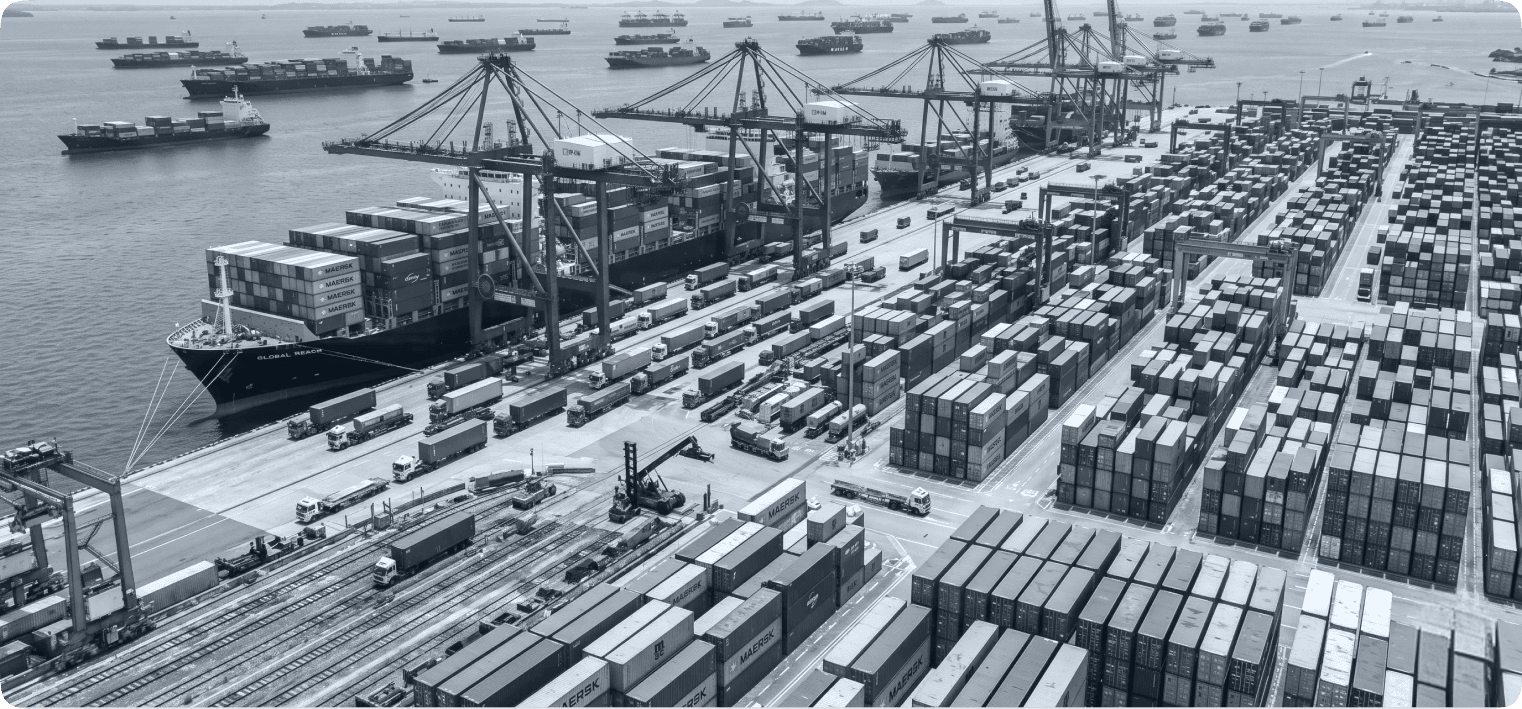
The financial impact of current diversions is substantial and multi-layered. Rerouting typically adds 20 to 30 percent to the cost of shipment, a figure that compounds across supply chains moving hundreds of containers weekly, but this represents only the direct rerouting cost. Additional expenses accumulate quickly:
War risk surcharges range from $1,500 to $4,000 per container, depending on the route and insurer assessment of risk.
Detention and demurrage fees spike when containers are displaced by diversions. A container sitting in an unplanned port incurs daily fees, in some cases reaching hundreds of dollars per day, while waiting for the next available vessel or connection.
Port congestion in affected regions compounds delays. Los Angeles, Dubai, and Indian ports have all experienced unusual volumes as shippers reroute away from traditional Middle Eastern corridors. This congestion creates a cascade effect: delays at one port back up connections elsewhere, and fees accumulate accordingly.
For perishable goods, the cost equation also includes spoilage risk. A diversionary route that adds a week to transit time isn't merely costly in fees; it risks total cargo loss if temperature-controlled integrity is compromised.
Container displacement itself creates inventory management challenges. When containers sit in unexpected locations, shippers must adjust booking capacity and forward planning. The result is often inventory buildup at origin and inventory shortages at destination, forcing businesses to recalibrate production schedules or accept stock-outs.
Commercial Confidence: The Overlooked Variable

Amid the focus on routes, costs, and transit times, one factor often receives insufficient attention:
Commercial confidence -
This is the confidence that cargo will move
That delivery dates will be met
That unexpected complications can be managed within acceptable parameters.

Supply chains do not thrive and do not move on ceasefire. Supply chains thrive or move on insurance, crew safety, and commercial confidence.
- Ayman Hanno,
Director of Freight Forwarding at ITF Group
This insight cuts to the heart of why geopolitical disruptions are so damaging. Even if a ceasefire is announced, the supply chain remains disrupted until commercial confidence is restored. Shippers need certainty that crews are safe, that vessels won't be targeted or diverted, and that booking capacity won't suddenly disappear.
Building and maintaining this confidence requires ongoing communication, transparency about risks and options, and demonstrated capability to navigate uncertainty. It's not something that can be communicated in a single statement or reassured away with a discount. It comes from consistent, reliable service across disruptions.
Real-Time Rerouting: The Multimodal Advantage

The solutions that ForwardNow and other sophisticated freight forwarders provide increasingly reflect the complexity of the current environment. Rather than relying solely on ocean freight, the traditional backbone of global logistics, forward-thinking providers maintain relationships and expertise across multimodal options:
Air freight for time-critical cargo, rail for certain Asia-Europe lanes, trucking networks for land bridges, and hybrid approaches combining sea and land transport.
A container bound for the UAE might utilize ocean freight to a Middle Eastern port, then shift to truck or rail for final-mile delivery through a land route. Another shipment might fly critical components while lower-priority goods ship via alternative ocean routing weeks later. The key is having the infrastructure and expertise to evaluate these options in real time, sometimes within hours of disruption.
This multimodal approach is not the lowest-cost option in most cases. However, it preserves optionality. When a single corridor is compromised, alternatives remain viable, and when one transport mode faces capacity constraints, another can absorb overflow.
Planning for Uncertainty

For shippers, the current environment demands a shift in supply chain planning. Traditional approaches that assume stable, predictable routes with minor seasonal variations no longer reflect reality. Instead, planning must incorporate geopolitical risk assessment, maintain buffer inventory for critical components, diversify sourcing to reduce corridor dependency, and establish relationships with freight forwarders capable of providing real-time guidance and execution.
Looking Ahead

The disruptions currently affecting Red Sea and Middle Eastern routes may ease if geopolitical conditions stabilize, but the underlying lesson will persist: global supply chains are inherently vulnerable to disruption, and resilience requires active management, flexibility, and partnerships with providers who understand the difference between optimization and adaptability.
ForwardNow's approach of maintaining multimodal capabilities, applying real-time decision-making frameworks, and prioritizing commercial confidence alongside cost efficiency reflects the professional expertise that modern supply chains demand. In an era of unpredictable disruption, this combination of capability and judgment has become indispensable.