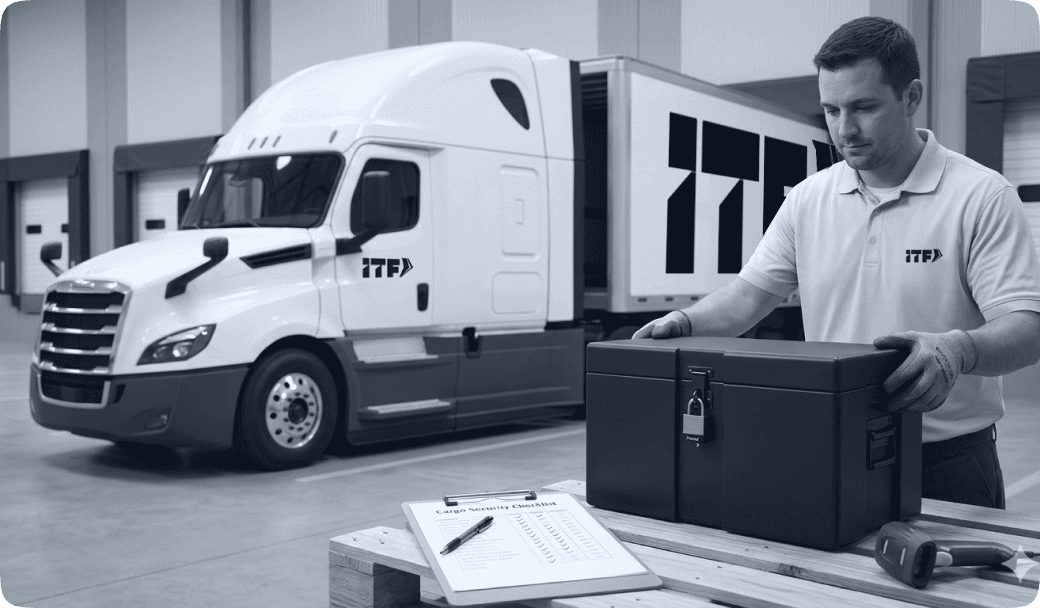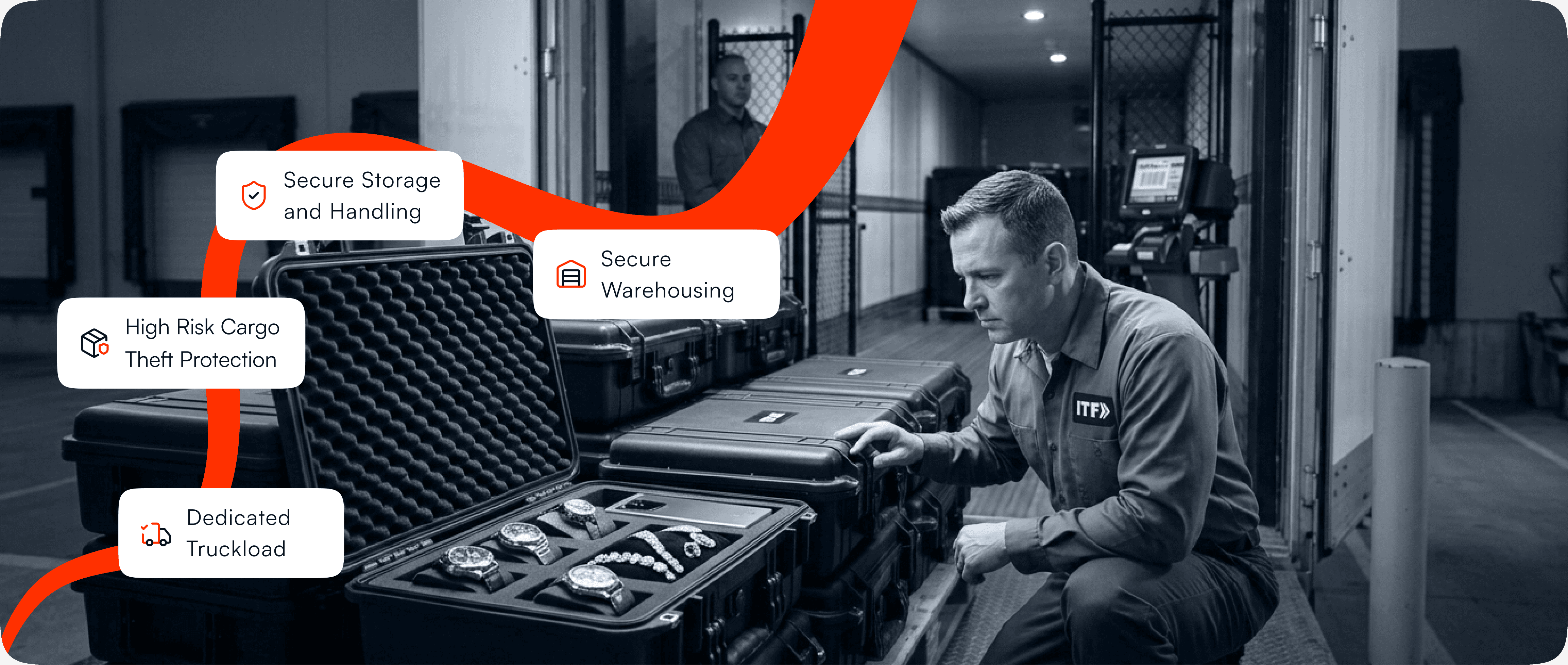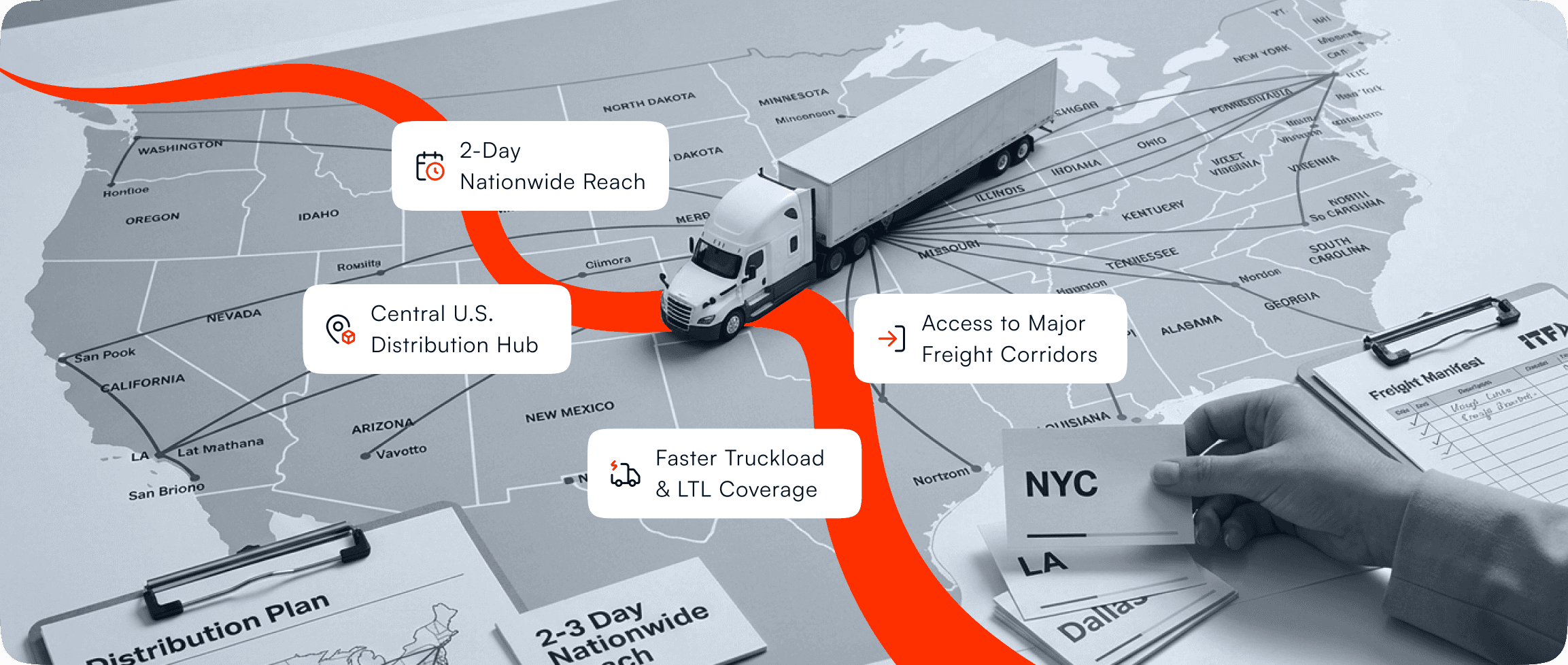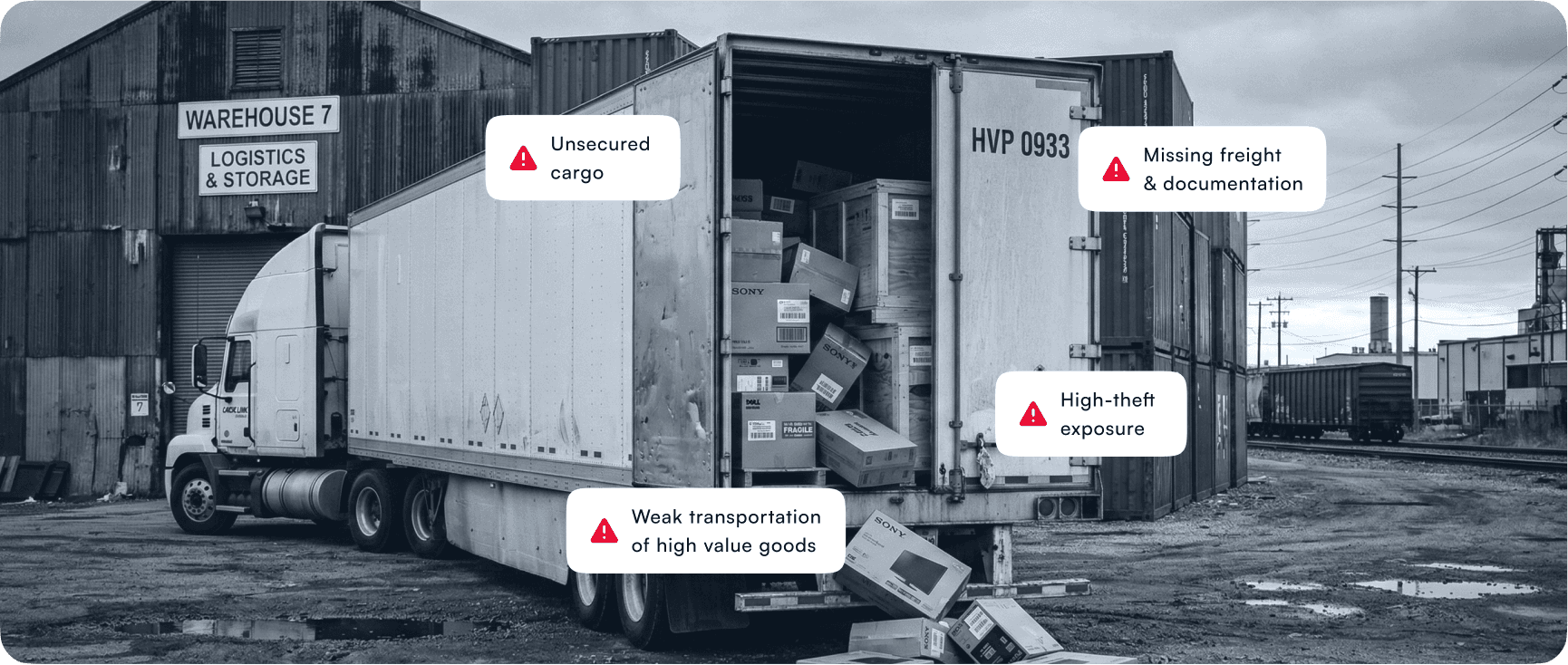
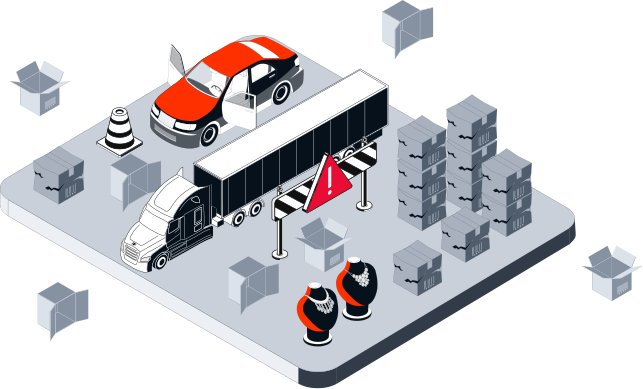
High-value freight, including luxury retail goods, consumer electronics, automotive and JIT parts, and critical manufacturing materials, requires a fundamentally different logistics approach than standard cargo. These shipments are not only expensive, but often time-sensitive, theft-prone, regulated, or mission-critical to downstream operations.
Despite this, many shippers still rely on conventional transportation and warehousing practices that introduce unnecessary risk. Based on industry trends and ITF Group’s experience managing secure, high-value supply chains, the following are the top five mistakes shippers make when moving high-value freight and how to avoid them.
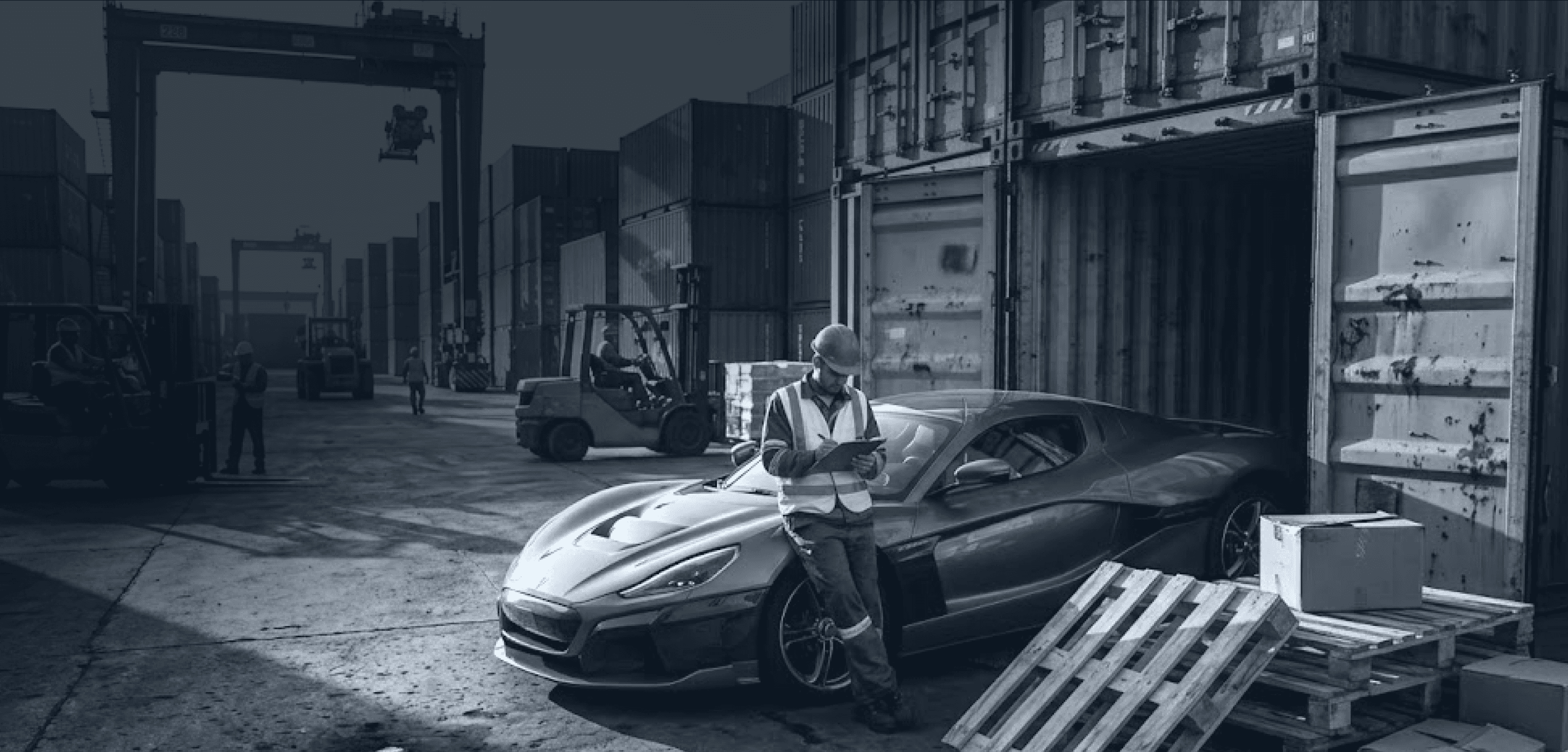
One of the most common and damaging mistakes is assuming that high-value freight can move safely under the same rules, carriers, and routing strategies as standard shipments. While the physical movement may look similar, the risk profile is dramatically different.\
Standard freight processes often rely on broad carrier networks, generic routing, and minimal oversight. For high-value shipments, this creates vulnerabilities such as unsecured dwell time, exposure to high-theft corridors, and limited accountability if something goes wrong. When valuable cargo is treated as interchangeable with low-risk freight, the likelihood of theft, damage, or service failure increases significantly.
How ITF mitigates this risk:
ITF Group designs transportation strategies specifically for high-value freight. This includes approved and vetted routes, restricted carrier pools, layered security measures, and shipment-specific planning based on cargo value, sensitivity, and urgency.
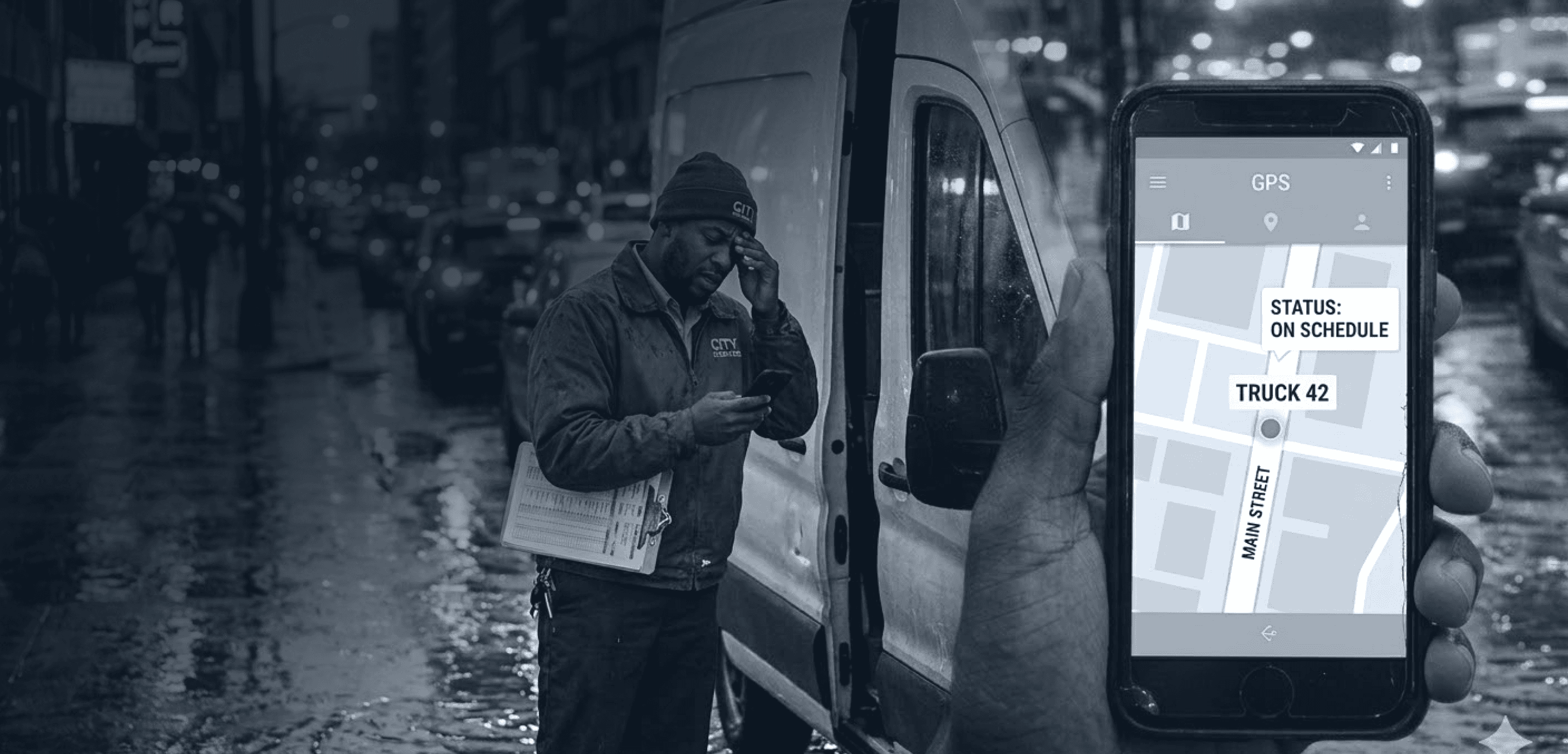
Many shippers believe that having GPS tracking is sufficient to protect high-value shipments. While location data is important, basic tracking only answers one question: where is the freight? It does not provide insight into whether the shipment is secure, compliant, or at risk.
Without geofencing, electronic seals, or real-time alerts, route deviations, unauthorized stops, or trailer tampering may go unnoticed until delivery—or worse, until the shipment is lost. Additionally, high-value and sensitive goods may require monitoring of temperature, humidity, or handling conditions, which basic tracking does not address.
How ITF mitigates this risk:
ITF delivers enhanced visibility by combining GPS tracking with geofencing, telematics, electronic seals, and environmental sensors. Shipments are actively monitored through centralized control systems, enabling proactive intervention before small issues become major losses.
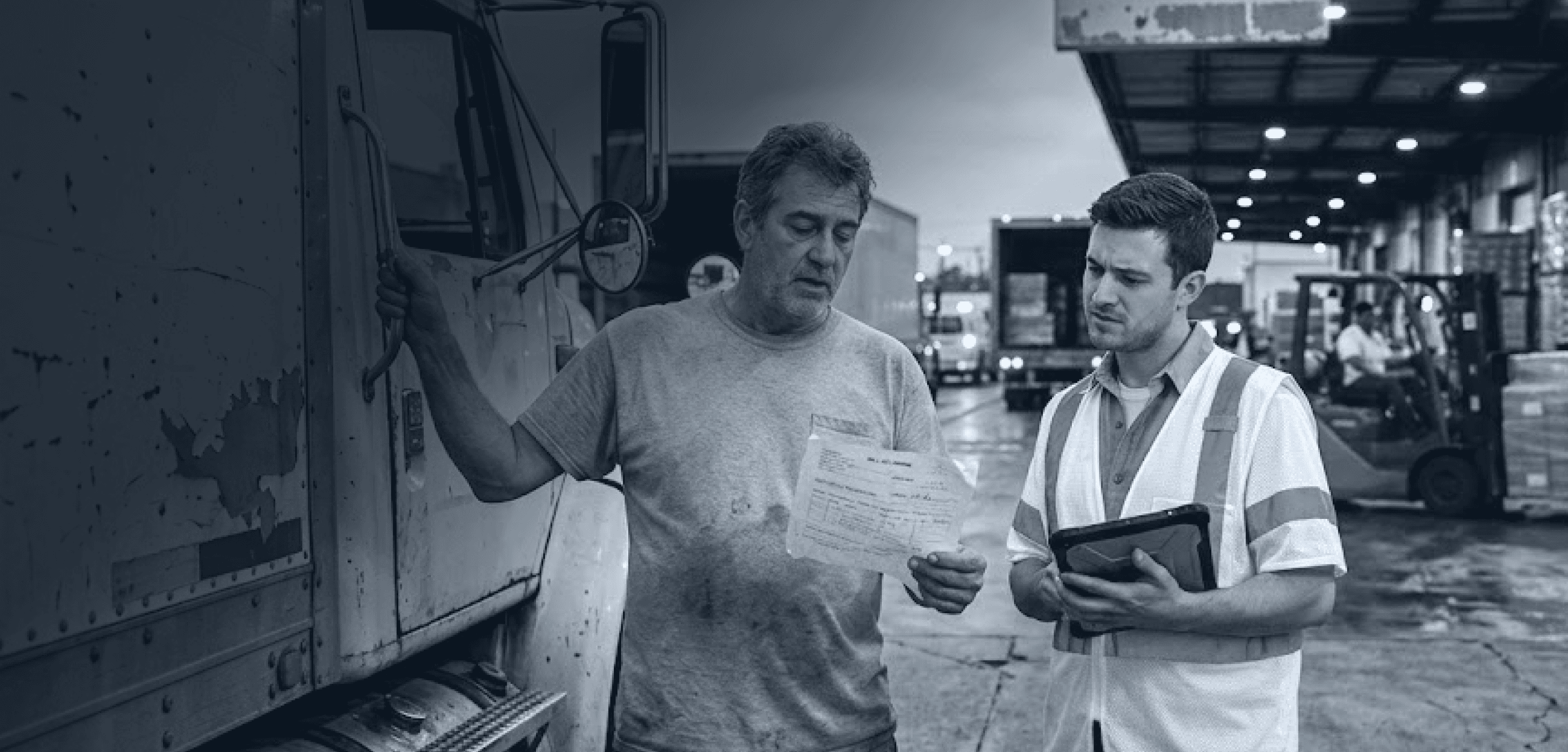
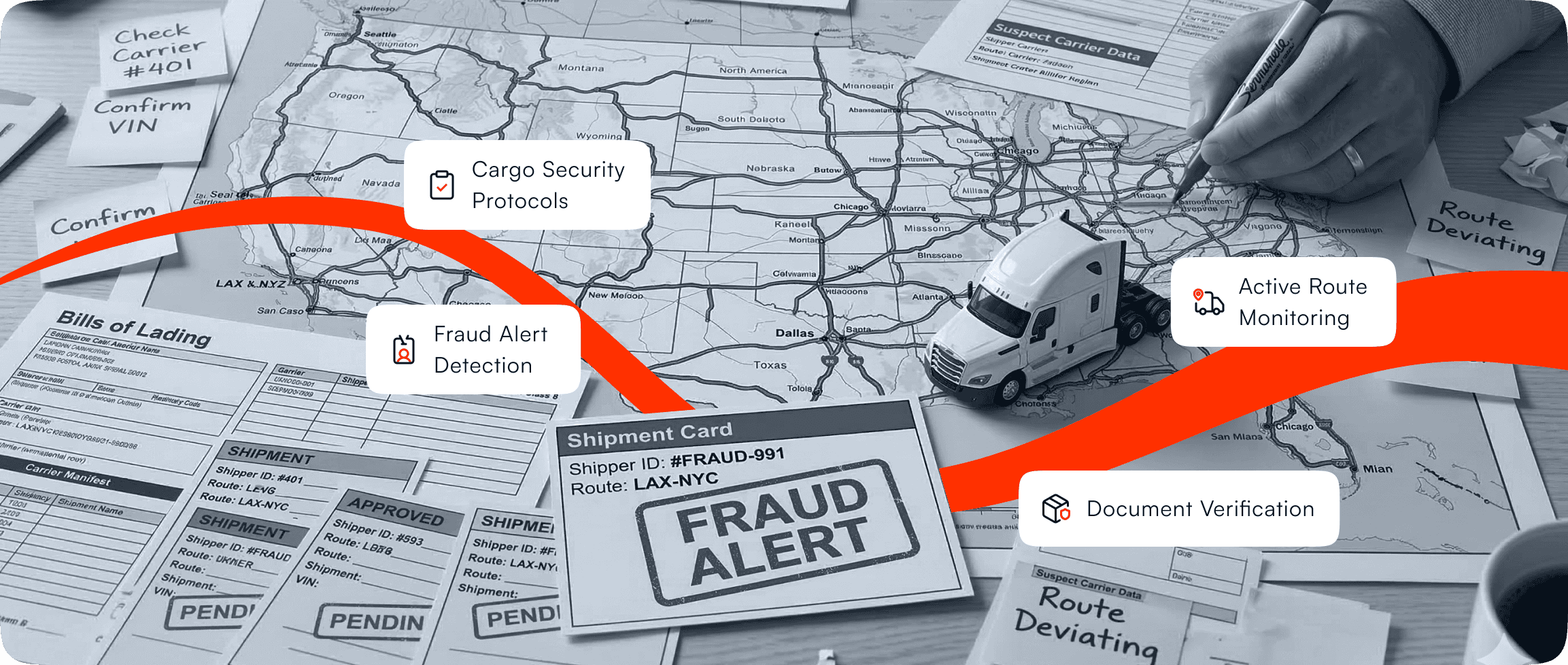
High-value freight is a prime target for fraud schemes such as double-brokering, carrier identity spoofing, and last-minute substitutions. Shippers that rely on loosely vetted carrier networks or transactional spot-market decisions significantly increase their exposure.
Inadequate vetting also raises operational risks. Drivers without experience handling high-value or sensitive goods may mishandle freight, fail to follow security protocols, or lack awareness of how to respond to exceptions. When the wrong carrier or driver is assigned, chain-of-custody integrity breaks down.
How ITF mitigates this risk:
ITF Group enforces strict carrier and driver qualification standards. This includes identity validation, safety and compliance reviews, performance history analysis, and continuous monitoring, ensuring only trusted, experienced partners handle high-value shipments.

When high-value shipments change hands without formal documentation, accountability becomes unclear. Many shippers underestimate the importance of chain-of-custody records until an incident occurs, at which point missing documentation complicates investigations, insurance claims, and customer audits.
A weak chain of custody creates blind spots around who had control of the freight, when handoffs occurred, and whether protocols were followed. This not only increases financial exposure but can also undermine customer trust and regulatory compliance.
How ITF mitigates this risk:
ITF implements standardized chain-of-custody workflows that include time-stamped pickup and delivery confirmations, authorized sign-offs, and digital documentation. These records create audit-ready transparency and protect shippers in the event of disputes or claims.

Many shippers focus heavily on prevention while overlooking the reality that disruptions still happen. Route deviations, weather events, mechanical failures, or attempted thefts require immediate, coordinated response. Without a defined plan, even minor incidents can escalate into major losses.
A lack of incident response planning often leads to delayed decision-making, unclear escalation paths, and inconsistent communication, magnifying the impact of the disruption and increasing recovery time.
How ITF mitigates this risk:
ITF operates 24/7 monitoring supported by predefined incident response protocols. Real-time alerts trigger escalation workflows, route deviation playbooks, and coordinated action with carriers, insurance providers, and authorities when necessary.
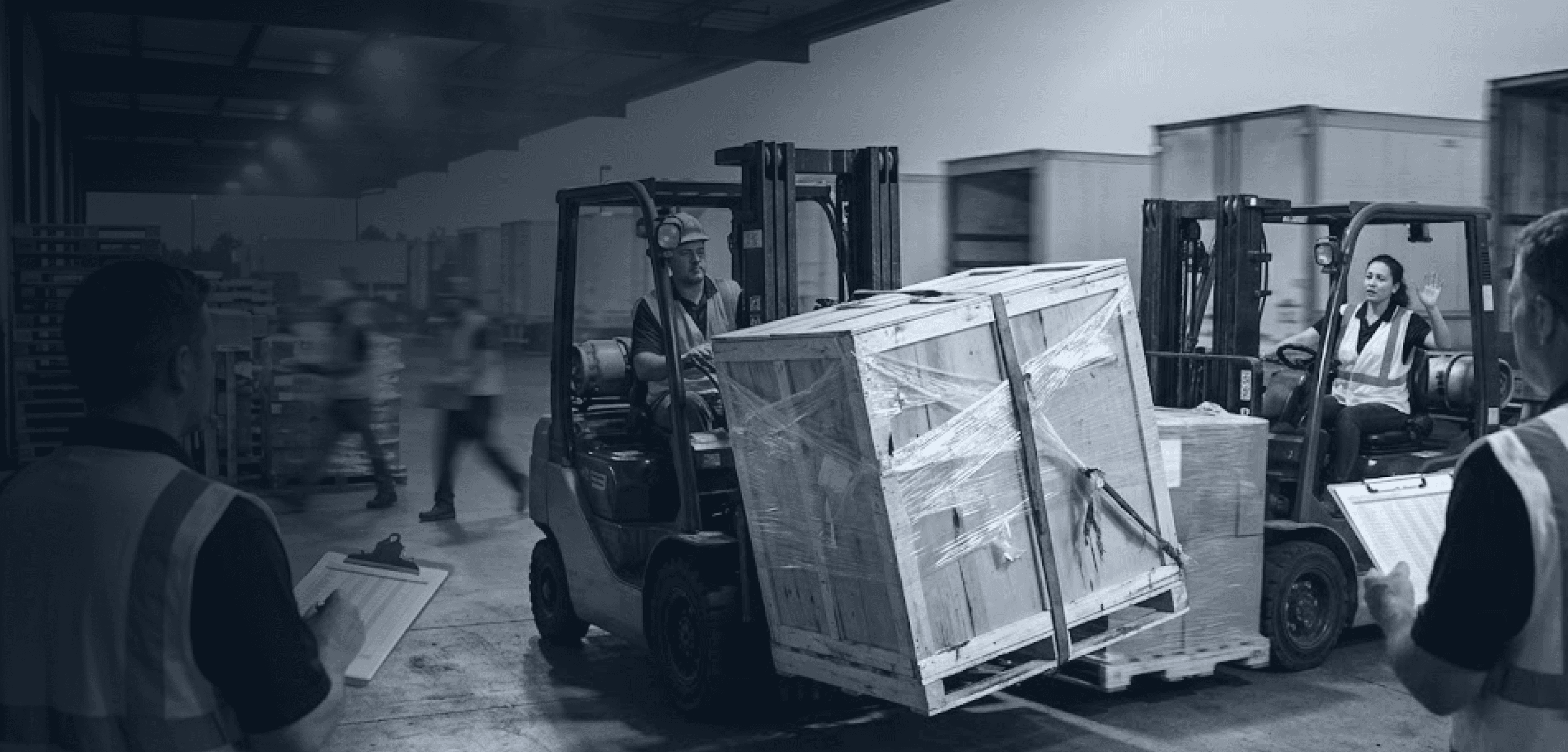
High-value risk does not end when freight reaches a warehouse or distribution center. Poor inventory visibility, unsecured yards, excessive dwell time, and improper handling during cross-docking or storage can undo even the strongest transportation security measures.
Facilities without access controls or real-time inventory tracking are particularly vulnerable to shrink, misplacement, and internal theft—especially when high-value goods are mixed with standard inventory.
How ITF mitigates this risk:
ITF supports high-value distribution through secured, access-controlled facilities, real-time inventory visibility, food-grade and specialized certifications, cross-docking to reduce dwell time, and both dedicated and segmented shared warehousing options.
How to Avoid These Mistakes Altogether
Avoiding these common pitfalls requires a shift from transactional logistics to a risk-aware, visibility-driven supply chain strategy. High-value freight demands intentional planning, integrated technology, disciplined execution, and experienced oversight across transportation, warehousing, and fulfillment.

Protect Your High-Value Freight with ITF Group
ITF Group specializes in secure logistics solutions for high-value, sensitive, and mission-critical freight across retail, electronics, automotive, and manufacturing supply chains.
For a deeper overview of secure logistics best practices, explore High-Value Goods Tracking & Enhanced Visibility in Modern Logistics.