How Real-Time Visibility Reduces Claims, Delays, and Chargebacks
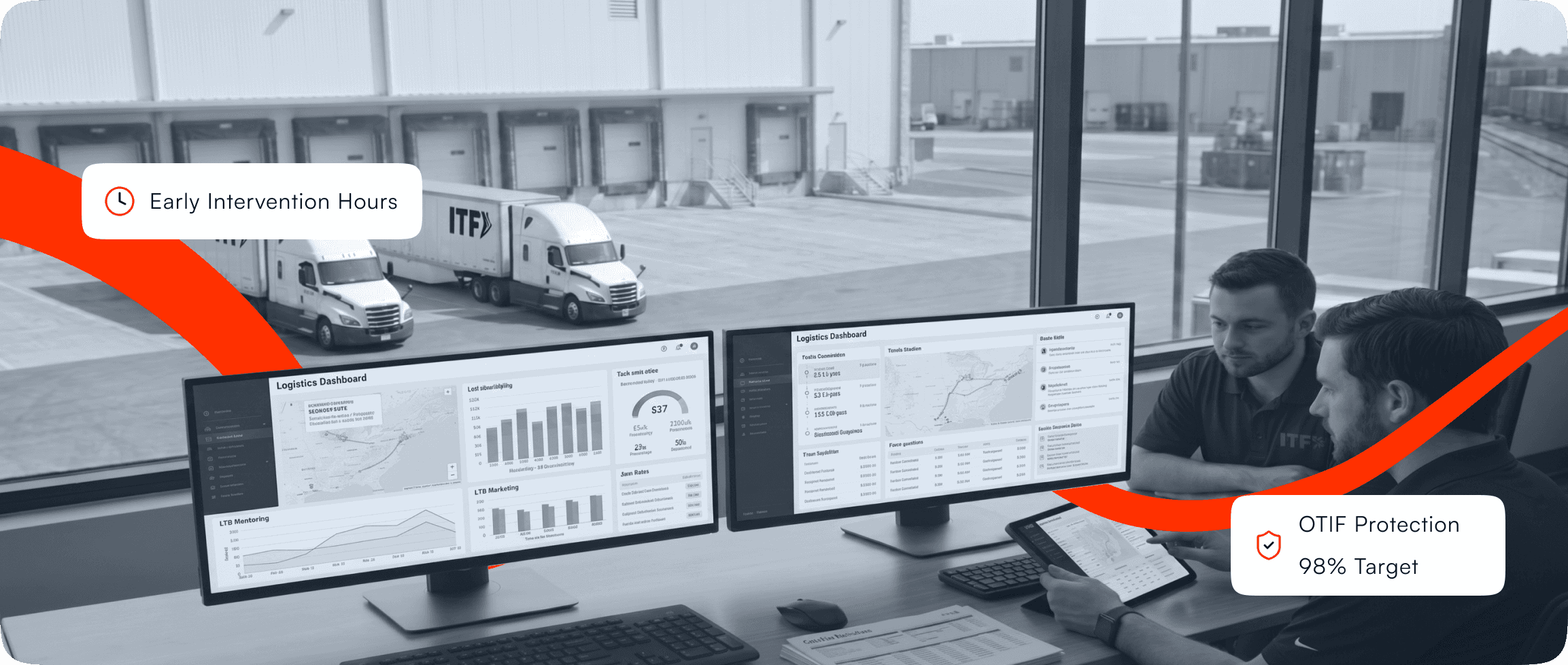
Real-time visibility is the difference between knowing a shipment is late at 8:00 AM and knowing at 2:00 PM the day before, when there is still time to reroute. Every hour of lead time is an hour a shipper can use to protect an OTIF score, head off a detention claim, or reroute a load before a retailer posts a chargeback. Tight supply chains treat visibility as a margin-protection program, not a tech upgrade.
How does visibility reduce retail chargebacks?
Visibility reduces retail chargebacks by giving a shipper time to intervene before a late load triggers the retailer's OTIF penalty. Walmart's supplier program holds vendors to 98% on-time and 95% in-full, with a 3% chargeback on COGS for misses. Target, Kroger, and Home Depot enforce similar programs. A shipper at 96% OTIF on $2 million monthly volume is already paying a mid-five-figure chargeback bill.
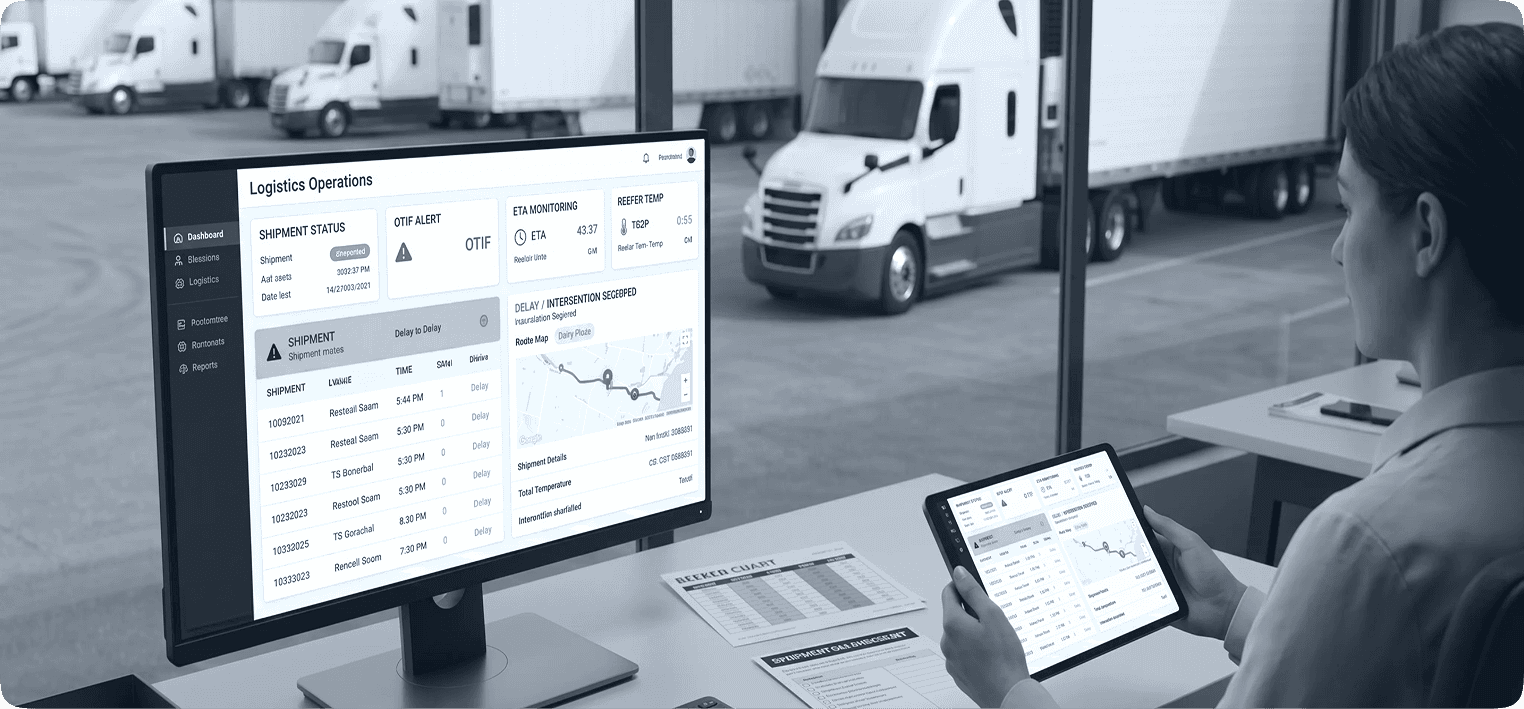
Visibility changes the math because most chargebacks are preventable if the shipper knows early enough. A driver running 90 minutes behind on a Bentonville lane can still be rerouted to the next dock window. A reefer deviation can still get a replacement trailer before the load arrives out of spec. A delay flagged inside two hours is a service call. A delay flagged at the dock is a chargeback. Our logistics technology stack was built around closing that window.
What data does a real-time visibility platform need?
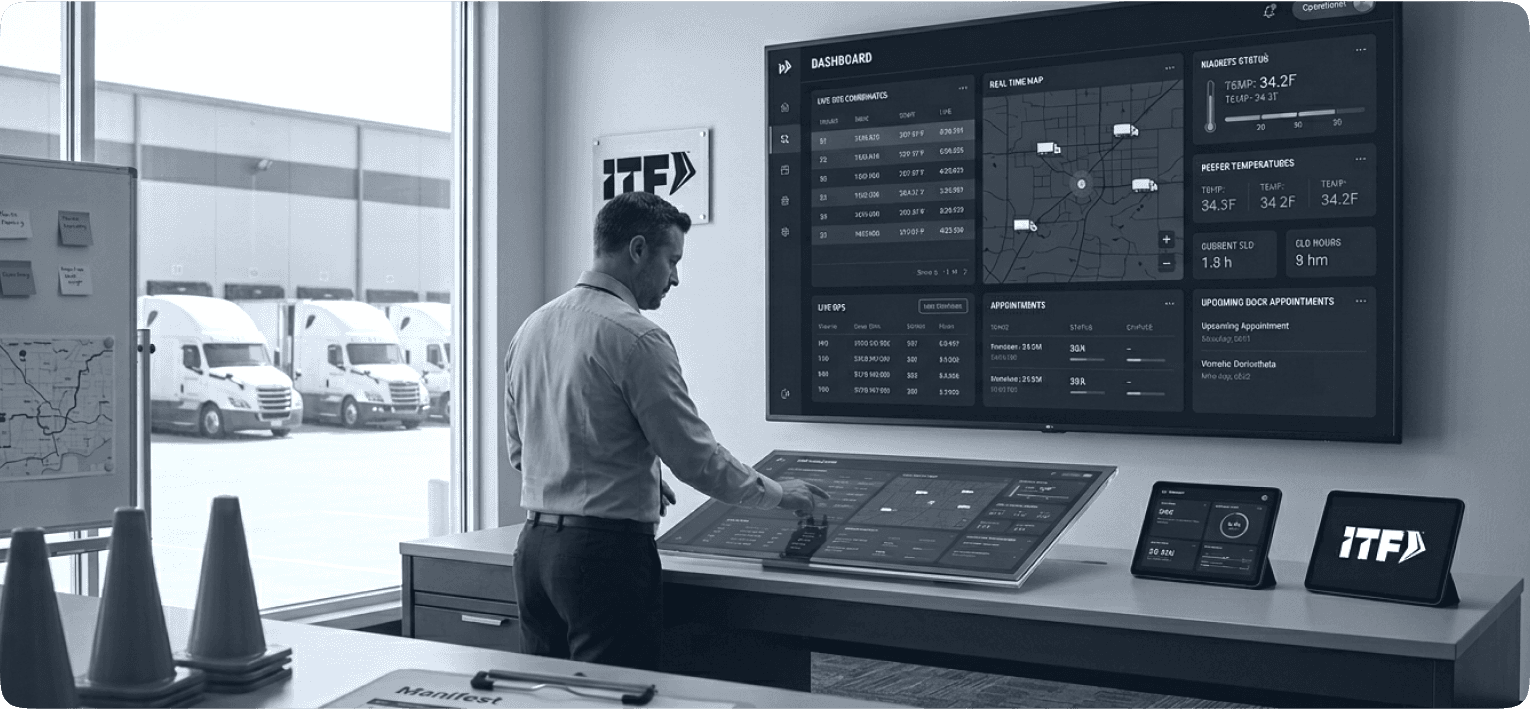
A real-time visibility platform needs five live data streams: GPS on every active tractor, ELD hours-of-service, reefer temperature and fuel for refrigerated loads, dock appointments for inbound and outbound, and automated ETA updates. The streams have to merge in one view. A WMS that cannot see the TMS feed cannot warn you when the next inbound is four hours late.
U.S. business logistics costs hit $2.58 trillion in 2024, or 8.8% of GDP. Most of that growth came from transportation, and most transportation waste came from detention, dwell, and reloads that better visibility would have caught.
How does visibility reduce detention and dwell?
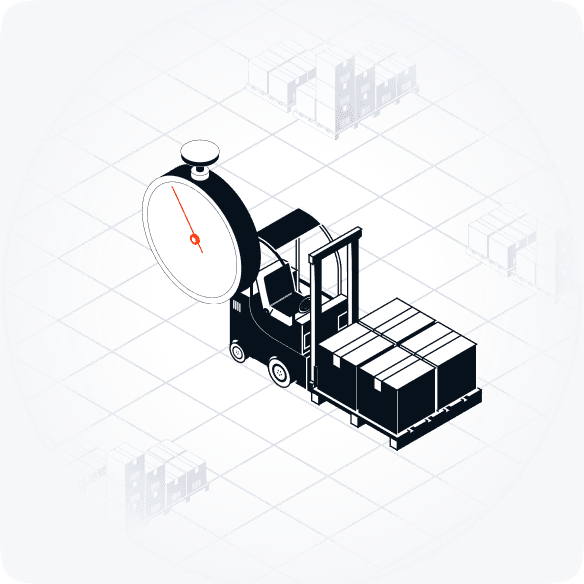
Visibility reduces detention and dwell by flagging slow loading or unloading while intervention is still possible. A dock that takes 90 minutes instead of 30 is a detention invoice if nobody notices. A dock flagged on-screen at 45 minutes pulls a warehouse manager to the door before detention accrues. A visibility platform that trips an alert at 45 minutes saves the claim.
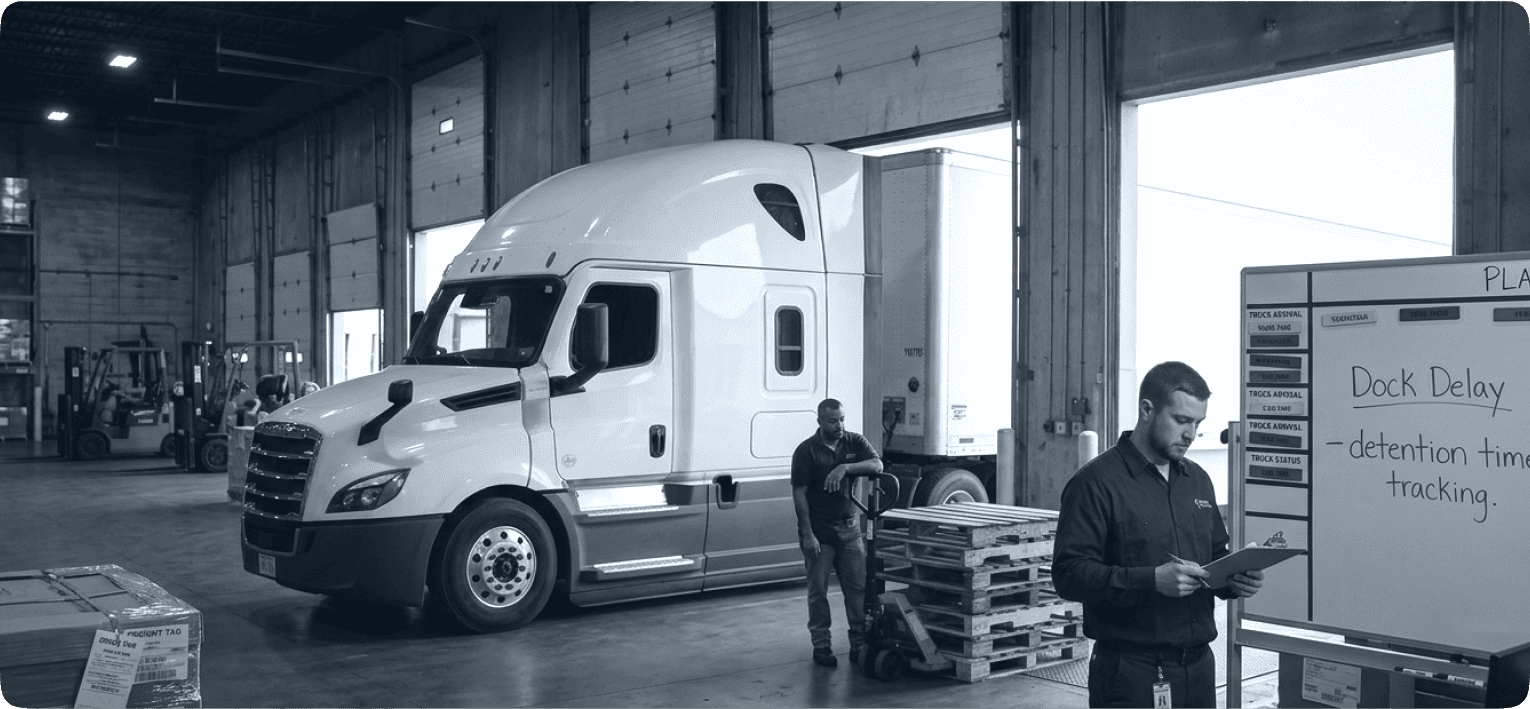
The second detention driver is the driver side: a tractor waiting on paperwork while the warehouse signs off. A platform that integrates the WMS gate log and the BOL workflow closes both sides of the clock. Our 3PL services and our trucking fleet share one dispatch view, which is why dock turns run under 30 minutes on ITF-controlled freight.
How does visibility reduce cargo claims?
Visibility reduces cargo claims by tying every shipment event to a timestamped data point that a carrier, insurer, or customer can reconcile. A reefer that deviated from temperature for four hours during a 14-hour run has a timestamped trail that shows when, where, and how long. A claim filed on that run is defensible because the data arrived in real time and got logged automatically. A claim filed without that trail is a negotiation.

The cost math is clear. Cargo theft incidents grew to 3,625 in 2024, a 27% increase over 2023, with average loss value at $202,364 per event (CargoNet, 2024). Visibility does not stop the crime, but it moves the claim from “missing load” to “diverted load recovered inside 72 hours” more often than a paper-based audit trail can. Benefits of a transportation management system compound when visibility sits inside the same platform as the billing, insurance, and carrier roster.
How do you operationalize visibility across a shipper network?
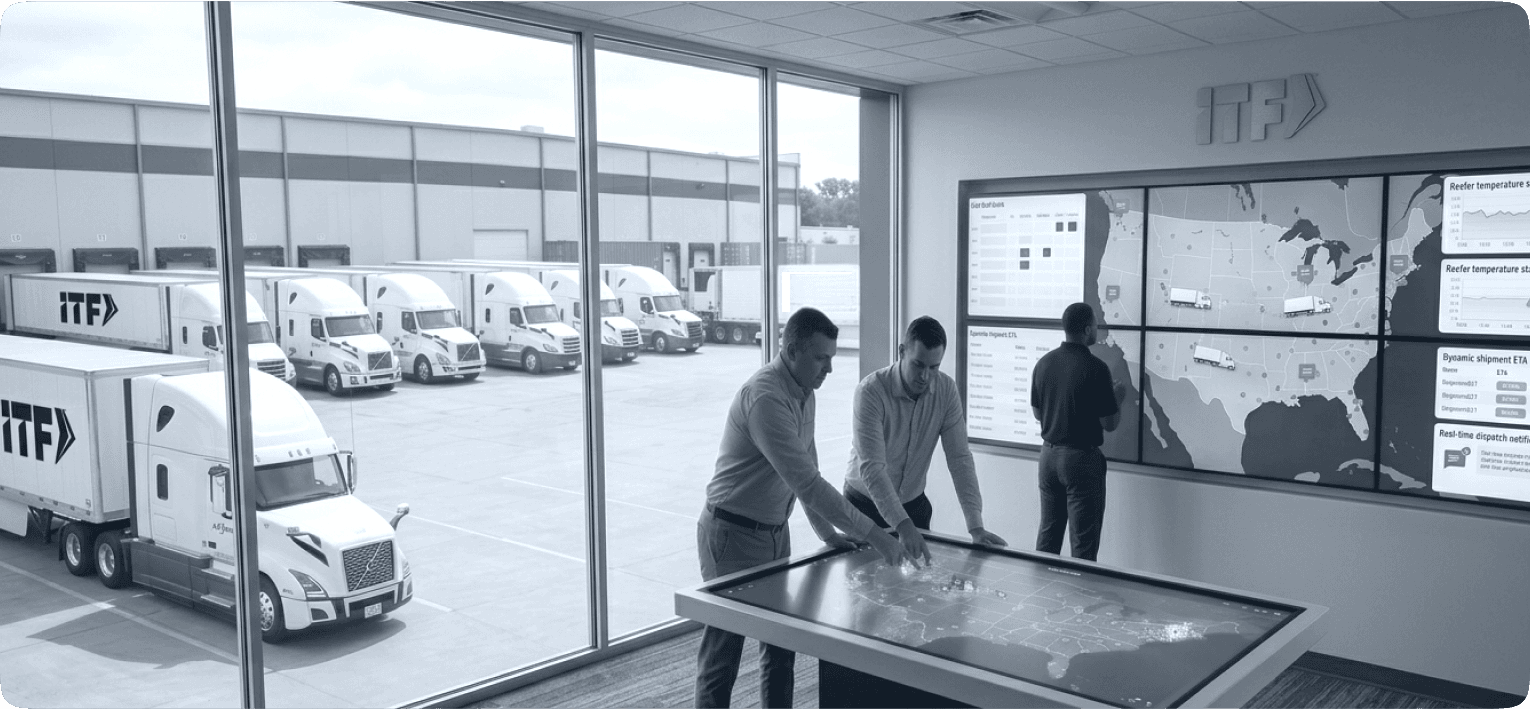
Operationalizing visibility takes three steps:
A 15-minute delay on a Bentonville lane pages dispatch. A 45-minute dock turn pages the warehouse supervisor. A reefer deviation pages ops and the carrier at once.
Without the owner map, visibility becomes a dashboard nobody reads. A cloud-based TMS is a margin tool only when alerts route to people who can act inside the window where acting still helps. Most freight savings from visibility show up in the first quarter after the alert roster is assigned, not the quarter the software is installed.
The shortlist of visibility wins
Visibility wins show up in four line items on the P&L:
OTIF chargebacks avoided by early intervention on late loads
Detention and dwell claims reduced by dock-hour alerts
Cargo insurance claims supported by timestamped event trails
Accessorials caught before approval rather than disputed on the invoice
Each of those is a measurable dollar number inside a quarter. A visibility program that cannot point to at least three of the four is a program that has not been operationalized yet.